Shopping becomes loud when every purchase is asked to solve too much. One object must improve the room, fix the mood, prove your taste, catch up with a trend, and justify the money all at once. Under that pressure, people buy quickly and feel unconvinced afterward. The problem is not only impulse. The problem is narrative overload.
Mindful shopping is often misunderstood as simply buying less. Buying less can be part of it, but the deeper practice is buying with clearer attention. You ask different questions. What role will this object play? Will I still want it once the mood passes? Does it support the life I am actually living? Where will it rest? What texture, weight, or routine does it genuinely improve?
Thoughtful shopping becomes easier when taste is clearer, tempo is slower, and desire is allowed to mature. Instead of responding immediately to visual temptation, you create small pauses that let discernment arrive. This does not kill beauty. It protects beauty from becoming indistinguishable from compulsion.
Why Slower Buying Creates Better Homes and Better Wardrobes
Objects shape atmosphere long after the purchase moment has passed. They take up visual space, require care, influence movement, and join the emotional language of a room or routine. This is why buying slowly often feels better than buying often. The object has time to become part of a coherent life instead of a short-lived excitement.
Mindful shopping also strengthens personal taste. When you buy under urgency, you often purchase trends in search of identity. When you buy more slowly, you start recognizing your own preferences in material, color, proportion, and feeling. That recognition is valuable because it reduces future noise.
A beautiful purchase is not only something you want. It is something your life has a place for.
Five Ways to Shop More Thoughtfully
Name the role before the object
Are you buying for function, atmosphere, replacement, comfort, ceremony, or beauty? When the role is clear, the object can be judged honestly instead of romantically.
In the DewFrame view, good buying is less about restraint for its own sake and more about clearer relationship with what enters your life. That is why name the role before the object works best when it is repeated with a calm, observable rhythm instead of being pushed into a strict performance routine. Small repetition makes the practice livable; livability is what turns a nice idea into a lasting editorial life habit.
Use a waiting period for nonessential purchases
A 24-hour, 72-hour, or one-week pause allows desire to separate into categories: lasting interest, momentary stimulation, or emotional compensation.
In the DewFrame view, good buying is less about restraint for its own sake and more about clearer relationship with what enters your life. That is why use a waiting period for nonessential purchases works best when it is repeated with a calm, observable rhythm instead of being pushed into a strict performance routine. Small repetition makes the practice livable; livability is what turns a nice idea into a lasting editorial life habit.
Keep a reference list of what you truly love
Save materials, colors, silhouettes, and rooms or objects that repeatedly call to you. This helps taste become cumulative instead of reactive.
In the DewFrame view, good buying is less about restraint for its own sake and more about clearer relationship with what enters your life. That is why keep a reference list of what you truly love works best when it is repeated with a calm, observable rhythm instead of being pushed into a strict performance routine. Small repetition makes the practice livable; livability is what turns a nice idea into a lasting editorial life habit.
Notice where impulse peaks
Impulse often rises when tired, lonely, bored, rewarded, or overstimulated. Understanding the emotional timing of shopping changes the decision itself.
In the DewFrame view, good buying is less about restraint for its own sake and more about clearer relationship with what enters your life. That is why notice where impulse peaks works best when it is repeated with a calm, observable rhythm instead of being pushed into a strict performance routine. Small repetition makes the practice livable; livability is what turns a nice idea into a lasting editorial life habit.
Buy fewer objects with clearer resting places
If you cannot immediately describe where an object will live or how it will be used, that uncertainty is information worth respecting.
In the DewFrame view, good buying is less about restraint for its own sake and more about clearer relationship with what enters your life. That is why buy fewer objects with clearer resting places works best when it is repeated with a calm, observable rhythm instead of being pushed into a strict performance routine. Small repetition makes the practice livable; livability is what turns a nice idea into a lasting editorial life habit.
A Practical Purchase Filter
Use these six steps whenever you are considering a nonessential purchase.
- Write the object name and the role you believe it will play.
- Wait long enough for first-stimulus excitement to lower.
- Check whether you already own something that performs the same role adequately.
- Imagine where the object will live physically and how often you will touch or use it.
- Ask whether the object matches your actual taste or only your current mood.
- If you still want it after the pause and the role remains clear, buy with peace instead of urgency.
This filter does not remove pleasure from shopping. It protects pleasure from turning quickly into regret.
Common Mistakes in Slow Shopping
Most shopping mistakes begin before the checkout moment. They begin in unclear intention.
- Buying for an imagined future self: Aspirational purchases can be useful, but only when they are grounded in likely life rather than fantasy identity.
- Confusing visual stimulation with compatibility: Something can be striking and still not belong in your home, wardrobe, or routine.
- Using shopping to regulate every feeling: Objects can delight us, but they cannot carry the full burden of emotional repair.
A slower pace reveals whether an object is truly aligned or merely persuasive. That is where confidence begins.
Frequently Asked Questions
Does mindful shopping mean never buying spontaneously?
No. It means your spontaneity becomes more informed over time. Some purchases will still be immediate, but they will happen inside a stronger understanding of taste and need.
How do I shop slowly if trends move fast?
Let trends pass through a filter of personal relevance. If something is truly aligned, it will still feel aligned after the first wave of urgency fades.
What is the best first step toward more thoughtful buying?
Begin recording your repeated preferences. Taste becomes quieter and stronger when it is named.
Closing Thought
To shop more mindfully is to trust that beauty does not disappear when it is delayed. In fact, beauty often becomes more convincing when desire has had time to mature into recognition.
That change in tempo can transform not only spending habits, but the atmosphere of a whole life. Fewer objects arrive, and the ones that do arrive with more meaning, more use, and more peace.
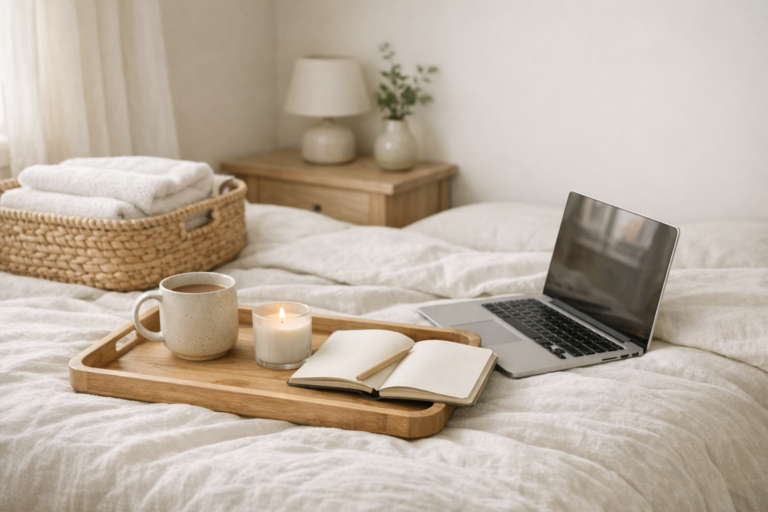


I loved the quiet, thoughtful tone of “Mindful Shopping Without the Noise: How to Buy More Beautifully and Less Impulsively”. The pacing felt gentle and observant, and it made the subject feel very close and real.
This post stayed with me after reading. “Mindful Shopping Without the Noise: How to Buy More Beautifully and Less Impulsively” feels beautifully observed, and the details give it such a calm editorial mood.